
Learning Hub
Why Do Babies Chew Everything? The Science Behind Mouthing, Teething & Oral Development
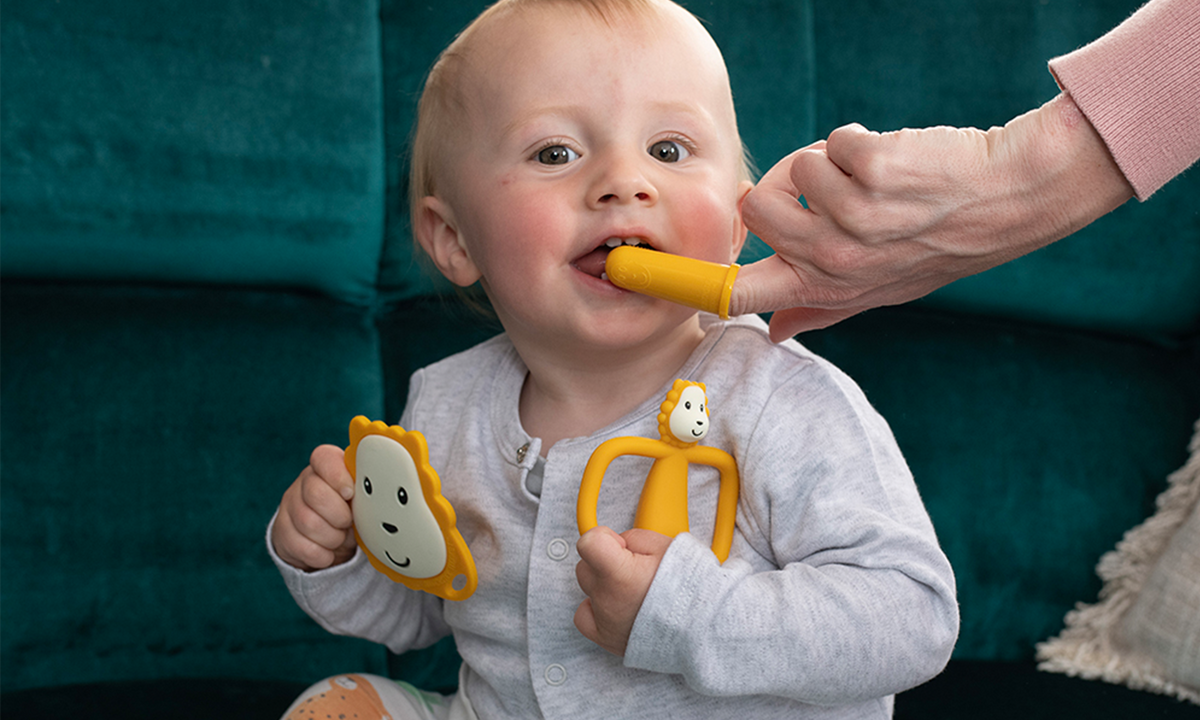
“My baby chews absolutely everything.”
“She's not even teething yet. Why is she always chewing on her hands?”
“Should I stop him putting toys in his mouth?”
If your baby seems determined to chew anything they can get their hands on, don't worry. It's one of the most common questions new parents ask.
While many people assume chewing always means teething, that's only part of the story.
Babies begin exploring the world with their mouths long before their first tooth appears.
Mouthing and chewing can be a normal part of how babies explore different sensations, practise hand-to-mouth coordination and respond to pressure around their gums.
Understanding why your baby chews can help you respond with confidence and provide safer, age-appropriate options for this stage of development.
Want to understand the full teething journey?
Read our complete guide covering baby teething, first teeth, brushing and oral development from birth through to toddlerhood.
General information only
This article provides general parenting information and does not replace personalised advice from a GP, dentist, pharmacist, maternal and child health nurse or other qualified healthcare professional.
Why Do Babies Chew Everything?
It's common for babies to chew or mouth their hands, suitable toys, clothing and other objects they can safely reach.
Babies may chew for several reasons, including:
- exploring different textures and sensations
- learning how their mouth and hands work together
- seeking comfort
- practising coordinated mouth movements
- responding to pressure from emerging teeth
Not every baby who chews is teething.
And not every teething baby will chew in exactly the same way.
Understanding the difference between mouthing and teething can make this stage feel less confusing.
Mouthing vs Teething: What's the Difference?
One common misconception is that mouthing and teething are the same thing.
They're related, but they're not identical.
Mouthing
Mouthing is a developmental behaviour in which babies explore suitable objects using their mouth.
It allows them to experience:
- texture
- shape
- temperature
- pressure
- movement
Babies may begin frequently bringing their hands and suitable objects to their mouth several months before their first tooth appears.
Teething
Teething occurs as baby teeth move towards and through the gums.
During this stage, some babies seek additional pressure against their gums, which can lead to increased chewing.
To understand when different teeth commonly appear, read our month-by-month guide to baby teething stages.
In simple terms:
A baby can mouth and chew objects without currently having a tooth coming through.
Oral development insight
Before babies can confidently investigate objects using their hands, they often use their mouths to explore different sensations.
What looks like “chewing everything” can be part of their broader sensory exploration and developing coordination.
Why Do Babies Chew Their Hands?
Hands are always nearby.
That's one reason babies are so interested in them.
Hand chewing can also allow babies to:
- practise bringing their hands to their mouth
- explore new sensations
- apply pressure to their gums
- comfort themselves when tired or unsettled
Many babies discover their hands before they become confident at holding toys.
This can be a normal part of early development.
Why Do Babies Chew Your Fingers?
If you've offered your baby a clean finger, you may have been surprised by how firmly they can bite down.
Parents can quickly become the preferred chewing option because a finger provides:
- firm and consistent pressure
- warmth
- comfort
- reassurance from a familiar person
While occasional finger chewing can be part of normal exploration, offering an age-appropriate teether gives your baby another suitable option that they can learn to hold themselves.
Why Does My Baby Suddenly Put Everything in Their Mouth?
This change can seem to happen almost overnight.
One week your baby barely notices their toys.
The next week everything goes directly into their mouth.
This often happens as babies develop:
- better hand control
- improved hand-to-mouth coordination
- greater curiosity
- more awareness of different textures and sensations
From your baby's perspective, mouthing an object is another way of investigating it, alongside looking, touching and listening.
Does Chewing Help Babies Learn?
Safe, supervised mouthing can be part of how babies explore their environment and practise developing skills.
It may support:
Oral awareness
Babies become more familiar with different areas and movements of their mouth.
Sensory exploration
Different suitable textures allow babies to experience pressure, softness, firmness and temperature.
Hand-to-mouth coordination
Picking up an object and bringing it towards the mouth involves developing coordination and control.
Self-soothing
Some babies discover that sucking or chewing their hands or an appropriate teether helps them feel calmer.
Oral development insight
Rather than trying to stop all mouthing, it is usually more practical to make the environment safer and provide suitable objects designed for babies to hold and chew.
Is It Okay for Babies to Chew Toys?
Yes, provided the toys are suitable for your baby's age and designed for infant use.
Objects used for mouthing should be:
- specifically designed for babies
- appropriate for your baby's age and developmental stage
- free from small detachable parts
- made from suitable materials
- easy to clean and inspect
- used according to the manufacturer's instructions
Household objects, keys, jewellery and other everyday items may not be designed for chewing and can present safety, hygiene or damage risks.
Always supervise play and regularly inspect teethers and toys for wear, cracking, splitting or loose parts.
Stop using any item that is damaged.
Why Some Babies Chew More Than Others
There is a wide range of normal behaviour.
Some babies are happy with occasional chewing.
Others seem to chew almost constantly.
Factors that may influence chewing include:
- temperament
- stage of development
- teething
- sensory preferences
- tiredness
- excitement
- curiosity
One pattern isn't necessarily better or worse than another.
Babies simply explore and respond to sensations in different ways.
Five Signs Your Baby Is Looking for Something to Chew
You may notice your baby:
- chewing their hands frequently
- trying to bite your shoulder while being held
- putting suitable toys directly into their mouth
- becoming frustrated when they can't reach an object
- rubbing their gums while chewing
These behaviours may indicate that your baby would benefit from having a clean, age-appropriate teether nearby.
Need help selecting one? Read our guide to choosing the best teether for your baby.
How to Safely Support Your Baby's Chewing Stage
Rather than trying to discourage all chewing, focus on making it safer.
Offer purpose-designed teethers
Age-appropriate teethers provide babies with a suitable outlet for chewing and mouthing behaviours.
Offer different suitable textures
Babies' preferences may change as they grow and as different teeth begin to emerge.
Having a few different suitable textures can give them options.
Keep teethers clean
Clean teethers according to the manufacturer's instructions, particularly after they have been dropped or used throughout the day.
Inspect them regularly
Check for wear, cracking, splitting, damage or loose parts before use.
Supervise play
Active adult supervision remains important, even when products are specifically designed for babies.
Accept that chewing can be normal
Chewing and mouthing are often developmental behaviours rather than problems that need to be corrected.
When Should You Be Concerned?
Most chewing and mouthing behaviours are part of normal early development.
Speak with your GP, maternal and child health nurse or another qualified healthcare professional if:
- your baby seems unusually distressed for an extended period
- chewing is accompanied by difficulty feeding
- you notice sores, bleeding or injuries inside the mouth
- your baby refuses feeds
- you are concerned about their overall growth or development
If you're unsure whether a behaviour or symptom is normal, it is appropriate to seek personalised professional advice.
Why Matchstick Monkey Teethers Support Natural Chewing
Because chewing can be part of both normal exploration and teething, babies benefit from products designed specifically for safe infant use.
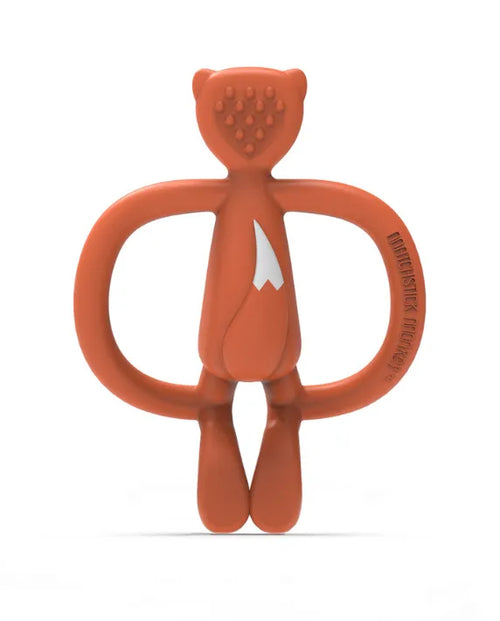
Matchstick Monkey teethers include practical design features such as:
- ergonomic handles designed for little hands
- multiple textured surfaces for different chewing preferences
- food-grade silicone that's gentle against delicate gums
- one-piece construction for straightforward cleaning
- playful characters that encourage babies to hold and explore them
Whether your baby is discovering their hands or moving through a new stage of teething, a purpose-designed teether provides an alternative to chewing unsuitable household objects.
Frequently Asked Questions
Is it normal for my baby to chew everything?
Mouthing and chewing are common developmental behaviours that can begin before the first tooth appears. Make sure the items your baby reaches are safe, age appropriate and free from choking hazards.
Does chewing always mean teething?
No. Babies may chew for sensory exploration, hand-to-mouth practice, comfort or teething-related gum pressure.
Why does my baby only chew one side?
Babies may prefer one side because it currently provides more comfortable pressure or because of where a tooth is emerging. Seek advice if you notice swelling, injury, feeding difficulty or anything else that concerns you.
Should I stop my baby chewing their hands?
Hand chewing is common in babies. Keep your baby's hands reasonably clean and provide an age-appropriate teether as another suitable option.
When should I introduce a teether?
An age-appropriate teether can be introduced when your baby begins frequently chewing their hands or suitable toys. Always follow the product's age and use instructions.
Chewing Is One of Your Baby's Early Ways of Exploring
To adults, it might look like your baby is determined to chew absolutely everything.
To your baby, they may simply be learning about the world.
Every suitable object they safely mouth can introduce them to texture, movement, pressure and coordination.
As teething begins, those same chewing behaviours may also help them respond to pressure around their gums.
Once your baby's first tooth appears, begin gentle daily brushing. Read When Should You Start Brushing Your Baby's Teeth?
Instead of trying to stop all chewing, the goal is to provide safe, age-appropriate and thoughtfully designed items that support supervised exploration.
With the right guidance and suitable products, you can feel more confident knowing that chewing is often a normal part of early development.
Continue Reading
Baby Teething, First Teeth & Oral Development
Read the complete Australian guide covering teething signs, first teeth, brushing and oral development.
Read the complete teething and oral development guide
How to Choose the Best Teether for Your Baby
Compare grip, texture, material and design features for different teething stages.
Read the baby teether buying guide
Baby Teething Stages Explained: What to Expect Month by Month
Follow the common stages of teething from early chewing through to the arrival of the final baby molars.
Read the month-by-month teething guide
When Should You Start Brushing Your Baby's Teeth?
Learn when to start brushing, what toothbrush and toothpaste to use, and how to establish a positive daily routine.
Read the baby toothbrushing guide
Recommended Matchstick Monkey Products
Matchstick Monkey Original Teethers
Explore easy-grip silicone teethers with multiple textured surfaces for different chewing preferences.
Shop Matchstick Monkey Original Teethers
Matchstick Monkey Animal Teethers
Discover playful animal-shaped teethers designed for little hands and everyday chewing.
Shop Matchstick Monkey Animal Teethers
Matchstick Monkey Baby Toothbrush Range
Explore baby toothbrushes designed to help families introduce gentle brushing and positive oral care routines.
Shop Matchstick Monkey Baby Toothbrushes