
Learning Hub
Teething Timeline: When It Starts and What to Expect
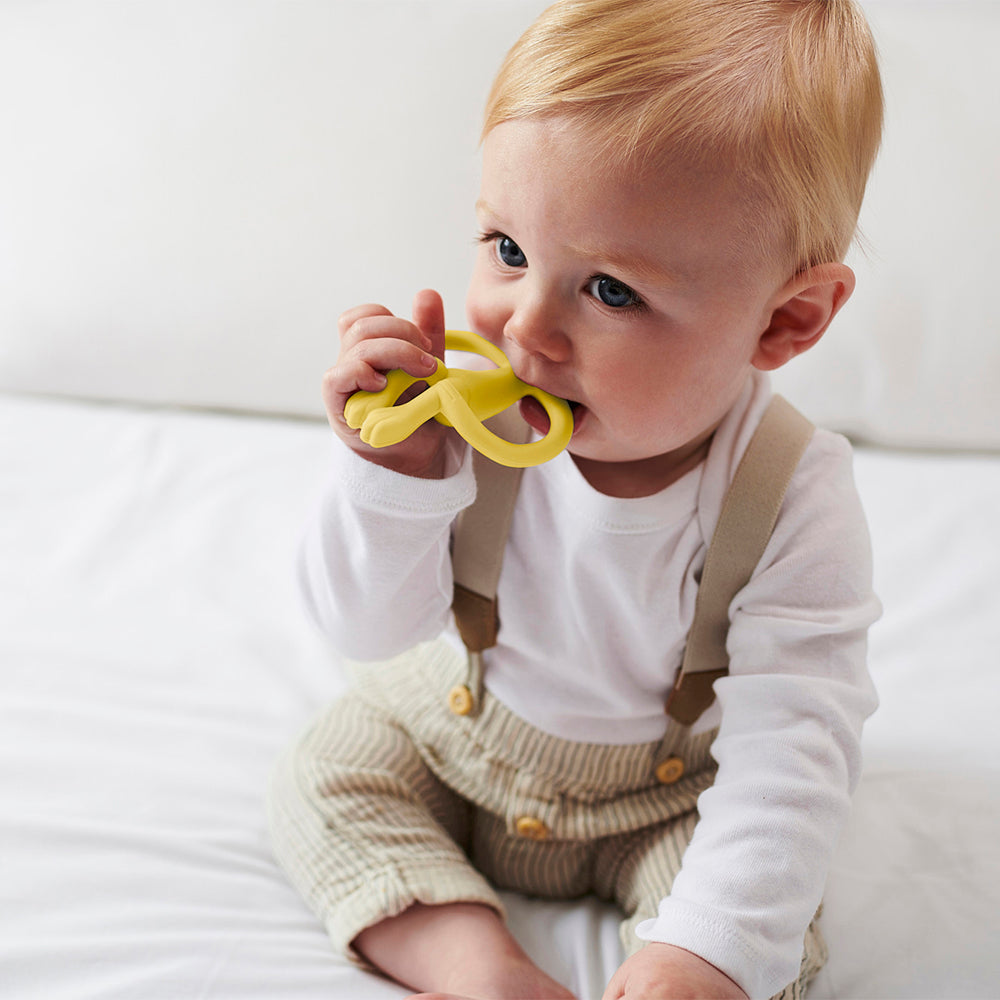
Teething can feel like a mystery, especially with your first baby. One day everything is fine, and the next there are drool-soaked bibs, red cheeks, and a whole lot of grizzling. Knowing roughly when teeth arrive and what normal teething signs look like can make the whole thing feel a lot less overwhelming.
Here is a plain, honest guide to the teething timeline, what to expect at each stage, and how to support your baby along the way.
Quick Answer: When Does Teething Start?
Most babies cut their first tooth somewhere between 4 and 7 months, though anywhere from 3 to 12 months is considered normal. Signs can show up weeks before a tooth actually breaks through, which is why it can feel like teething goes on forever. By their third birthday, most children have a full set of 20 primary teeth.
The Teething Timeline at a Glance
Every baby is different, but teeth tend to arrive in a fairly predictable order. Use this as a rough guide, not a strict schedule.
| Teeth | Typical Age Range |
|---|---|
| Lower central incisors (bottom front two) | 6-10 months |
| Upper central incisors (top front two) | 8-12 months |
| Upper lateral incisors (either side of top front) | 9-13 months |
| Lower lateral incisors (either side of bottom front) | 10-16 months |
| First molars (upper and lower) | 13-19 months |
| Canines (upper and lower) | 16-23 months |
| Second molars (upper and lower) | 23-33 months |
If your baby's teeth arrive a little earlier or later than these ranges suggest, that is usually nothing to worry about. Genetics play a big role. If no teeth have appeared by 12 months, it is worth mentioning to your GP or child health nurse for peace of mind.
What Are Normal Teething Signs?
Teething affects babies differently. Some sail through it with barely a fuss. Others have a harder time, particularly when the larger back molars come in. The signs below are commonly reported by parents during teething periods, though it is always worth checking in with a health professional if something does not feel right.
- Drooling more than usual. Saliva production ramps up significantly during teething. Keep a soft bib on hand to protect skin from irritation.
- Swollen or tender-looking gums. You may be able to see a small red or white area where a tooth is getting close to the surface.
- Chewing on everything. Babies instinctively apply counter-pressure to sore gums. Fingers, toys, your shoulder, nothing is off limits.
- Increased fussiness or unsettled sleep. Discomfort tends to feel worse at night when there are fewer distractions.
- Pulling at ears or rubbing cheeks. Pain can radiate along the jaw, and babies do not always know exactly where it is coming from.
- Mild changes in appetite. A baby who is normally enthusiastic about feeds may be more reluctant when their gums are particularly tender.
What Is Not a Normal Teething Sign?
This one is important. Teething does not cause high fever, diarrhoea, rashes, or significant illness. These are signs of something else happening alongside teething (babies this age are also encountering lots of new germs as they mouth everything in sight). If your baby has a temperature above 38°C, persistent diarrhoea, or seems genuinely unwell, please see your GP or child health nurse rather than putting it down to teeth.
How to Help Your Baby During Teething
You cannot rush a tooth, but there are some gentle ways to support your baby through the process.
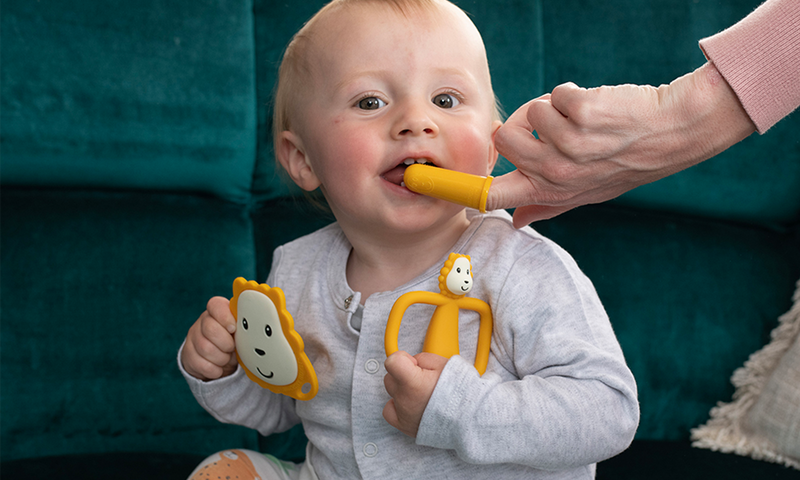
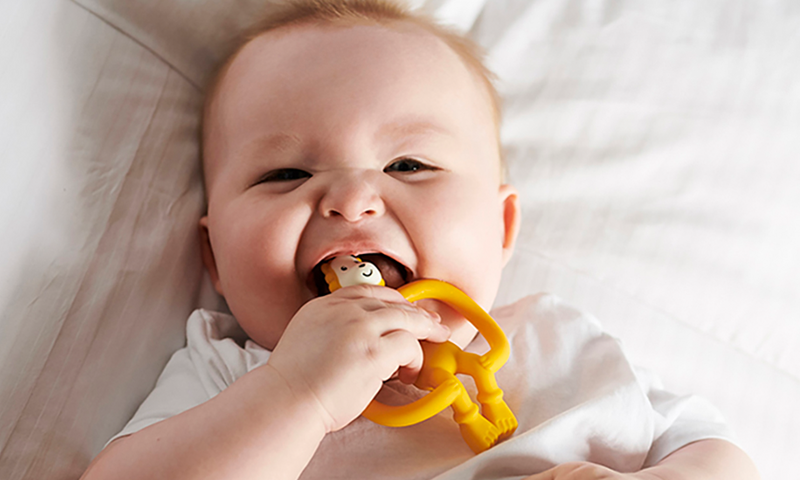
Offer something safe to chew. A quality silicone teether gives babies the counter-pressure their gums are craving. Matchstick Monkey teethers, including the iconic Giraffe Teether, the Fox Teether, and the Dancing Monkey Teether, are made from medical-grade silicone and designed with textured bumps that help massage tender gums. The long handle also makes them easier for little hands to hold and manoeuvre to the back of the mouth, where those trickier molars sit.
Try cooling. Pop a silicone teether in the fridge (not the freezer) for a short time before offering it. The gentle coolness can be soothing on tender gums. Never give a frozen teether, as extreme cold can be harmful to delicate gum tissue.
Gum massage. A clean finger gently rubbed along the gum line can offer some comfort, and it is a good habit to get into before you start brushing as well.
Extra cuddles. Simple but genuinely effective. A baby who is uncomfortable mostly wants you close.
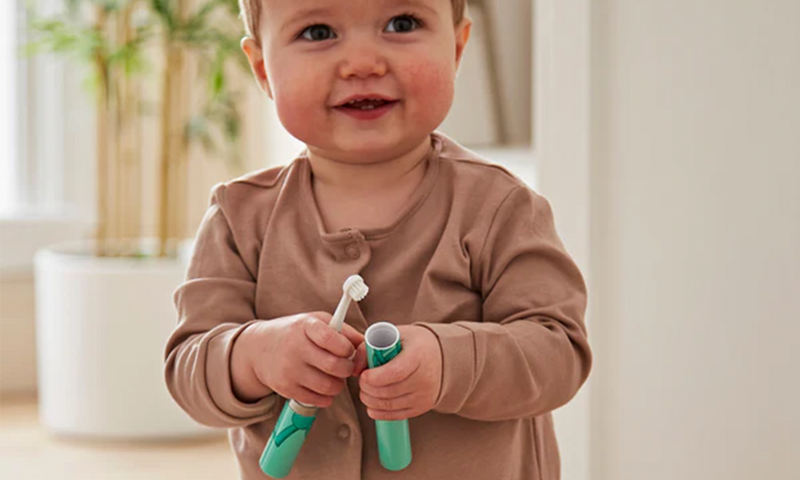
Start thinking about tooth care early. Once that first tooth arrives, it needs cleaning. The Matchstick Monkey Baby Sonic Toothbrush range is designed to make brushing feel like less of a battle, with soft silicone bristles suited to brand-new teeth. If you want a head start on tracking your baby's teeth and building good habits, our free Teething Tracker and Tooth-Care Guide is a handy download to bookmark now.
When to See a Professional
Most teething is completely manageable at home, but do reach out to your GP or child health nurse if:
- Your baby has no teeth by 12 months
- You notice unusual colouring, pitting, or texture on emerging teeth
- Your baby seems genuinely unwell, not just grumpy
- You are unsure about any symptom and want reassurance
Your child health nurse is a fantastic, free resource. There is no question too small.
Is a Teething Teether Worth It?
A well-designed teether is one of the most-used items in the teething toolkit, and a good one will last through multiple stages. Look for medical-grade silicone (safe if mouthed constantly), a shape that is easy for small hands to grip, textured surfaces that reach different parts of the gum, and a design that can be cleaned easily. Matchstick Monkey teethers tick all of those boxes and come in colours and shapes that make them genuinely nice to have out on the change table. The Gigi Giraffe Teething Starter Set is a popular choice for parents who want a complete starting kit, and it makes a brilliant baby shower or newborn gift too.
FAQs
When do babies usually get their first tooth?+
Most babies get their first tooth between 4 and 7 months, but anywhere from 3 to 12 months is considered within the normal range. The bottom front two teeth (lower central incisors) are usually first to appear. If nothing has come through by 12 months, mention it to your GP or child health nurse.
Can teething cause fever?+
Teething does not cause a true fever. A temperature above 38°C is a sign of illness and should be assessed by a doctor, not attributed to teething alone. Babies this age are mouthing everything and are naturally exposed to more germs, so illness and teething can coincide.
How long does each teething episode last?+
Signs can begin several weeks before a tooth breaks through, and discomfort often eases once the tooth has fully emerged. Every baby is different, but most individual teething episodes last anywhere from a few days to a few weeks. The process continues on and off until around age 3 when the second molars typically come in.
Is it safe to put a teether in the fridge?+
Yes, fridge-cooling a silicone teether is safe and can make it more soothing on tender gums. Never put a teether in the freezer. Extremely cold temperatures can be too harsh on delicate gum tissue and may cause more discomfort than relief. Always check that the teether is not too cold before giving it to your baby.
When should I start brushing my baby's teeth?+
As soon as the first tooth appears. Even a single small tooth can develop plaque, so starting early sets up great habits. Use a soft-bristled baby toothbrush and a tiny smear of low-fluoride toothpaste formulated for infants. The Matchstick Monkey Baby Sonic Toothbrush range is designed with new teeth and sensitive gums in mind.
What is the difference between a teether and a toy?+
A teether is specifically designed to be mouthed safely, made from body-safe materials like medical-grade silicone, and shaped to apply gentle pressure to gum tissue. Toys may not be made from materials rated safe for constant mouthing. Always check that anything your baby is chewing on is designed for that purpose and free from small parts that could become a choking hazard.
What makes Matchstick Monkey teethers different?+
Matchstick Monkey teethers are made from medical-grade silicone and feature textured bumps designed to help massage tender gums, including harder-to-reach areas at the back of the mouth. The distinctive long-handle design is easy for little hands to grip and manoeuvre independently. They are also fridge-coolable and protected with BioCote antimicrobial technology for extra hygiene confidence.